
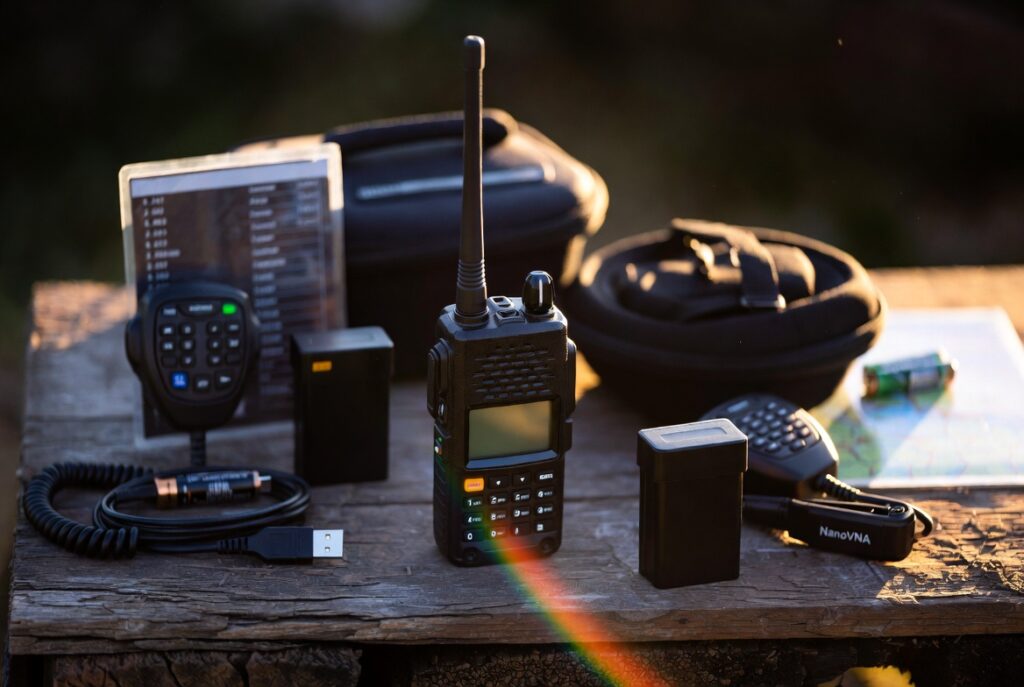
You got your ham radio license. You bought your first radio. Maybe it was a Baofeng UV-5R, maybe a Yaesu FT-4XR. Either way, you got it on the air, found a repeater, and had your first contact. Congratulations — you’re a ham radio operator. Now what?
The radio works out of the box. But the accessories you add over time are what make using it a lot easier and more enjoyable. Here are the most common accessories that experienced HT users actually use on a regular basis.
Spare Battery Pack
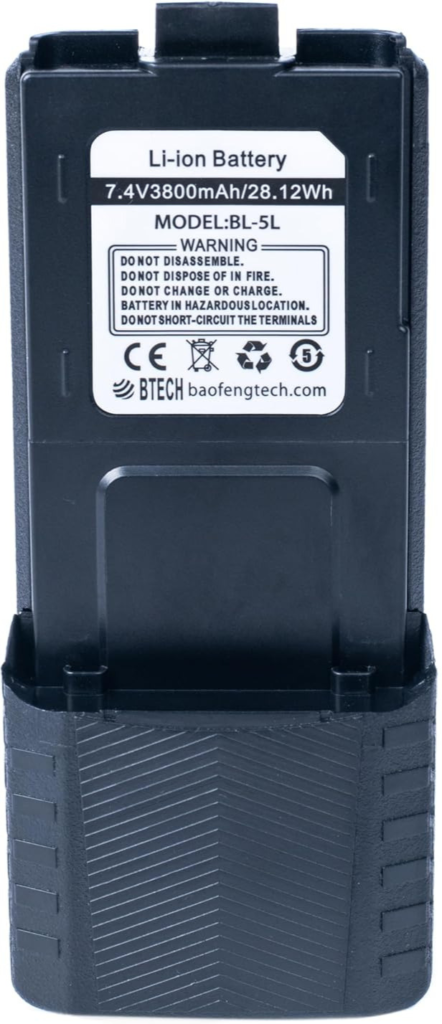
Your radio’s battery will die at the worst possible moment. It always does — halfway through a net, on a hike in the middle of the woods, during severe weather when you actually need the radio. Carry a spare. It’s not an accessory, it’s insurance.
If you’re okay with a bit less portability, a higher capacity battery is worth looking into. It’ll give you roughly double the runtime compared to the standard battery — the catch is it makes the radio bigger and heavier. For a lot of people, that extra runtime more than makes up for the bulk.
When you buy a spare, a few things matter. First, do your research and get the correct model number for your radio — Baofeng alone has a dozen different battery pack models across their product line, and they don’t all fit the same radio.
Second, be cautious with the cheapest third-party packs. They’re usable, but capacity claims are frequently overstated and build quality is inconsistent. OEM or established third-party brands are more reliable. If your radio can use AA alkaline batteriesas an emergency backup — some can, check your manual — keep a pack of AAs in your kit. That’s the battery you can find anywhere when everything else is dead.
Better Antenna
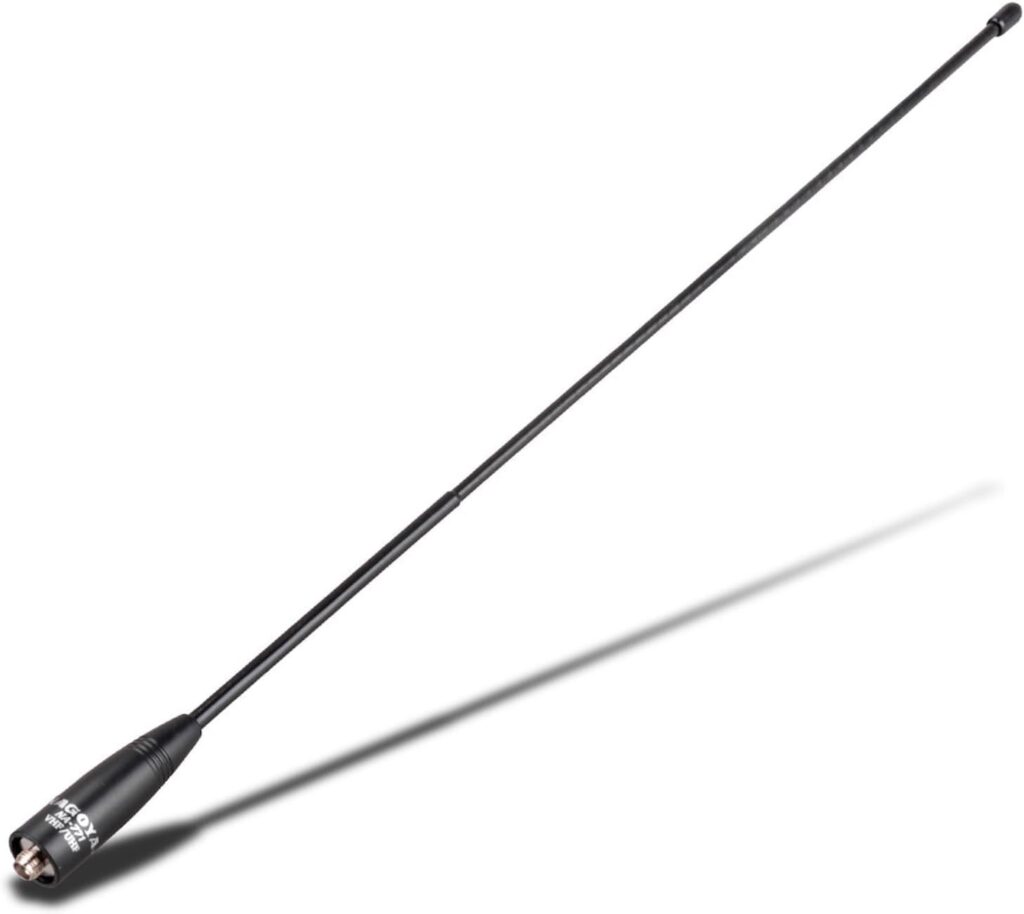
The antenna that came with your radio is the weakest link in your entire setup. It’s designed to be small and convenient, not to perform. Swapping to a proper whip antenna is the single highest-value upgrade you can make for under $30.
Here’s why the stock antenna is so limited. A rubber duck is a compromise — it’s short enough to not poke you in the eye, which means it’s also too short to be properly resonant on the bands it needs to cover. A full whip antenna has real gain — typically 1.5 to 3 dBi more than a rubber duck on VHF. That doesn’t sound like much until you realize it’s the equivalent of roughly doubling your transmit power. More range, clearer signals, repeaters that actually respond.
The Diamond SRH-77CAis the most commonly recommended HT antenna in the ham community. It’s a whip antenna that covers 144 MHz and 430 MHz — two meters and seventy centimeters. At about fifteen inches long, it screws directly onto any radio with a standard SMA connector. The build quality is solid, it holds up to field use, and it works with a wide range of radios.
The Nagoya NA-771 is the other antenna you’ll see recommended constantly. It’s the same type of whip antenna as the Diamond SRH-77CA — same length, same basic design, but it has an SMA connector that specifically fits the Baofeng UV-5R. Make sure you get the antenna with the SMA connector that fits your specific radio. Again, do your research. Most retailers that sell these antennas note which version you need — read the listing before you buy.
The main tradeoff with upgrading your antenna is reduced portability — same story as the extended battery. The whip sticks out more than the stock rubber duck, which matters if you’re packing the radio in a case or pocket. That said, swapping them takes seconds, so you’re not locked into one or the other. Spending the money on a better antenna just gives you the option to use it when you want.
Programming Cable + Software
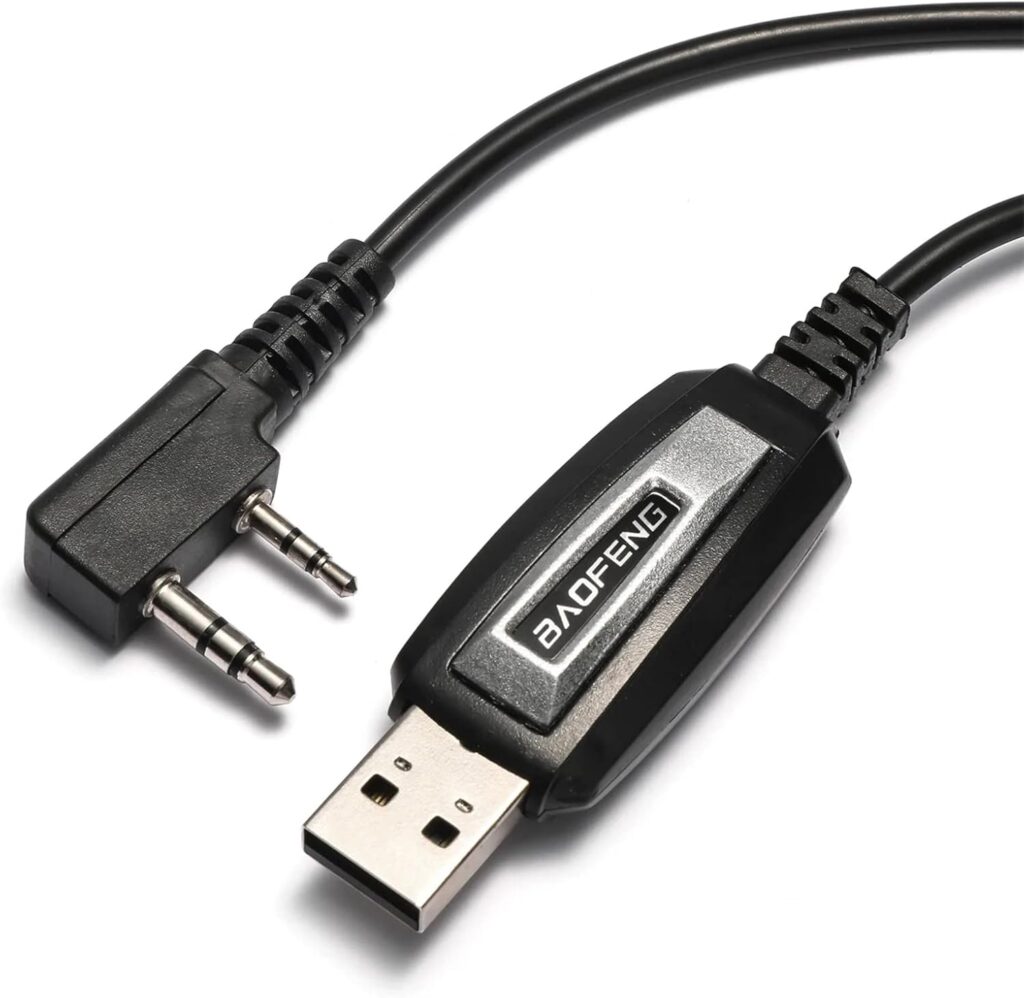
Entering repeaters manually is painful. The menu on some HTs isn’t exactly user-friendly and if you’re manually entering offsets, CTCSS tones, and frequencies, you’ll probably either make a mistake or get frustrated before you get on the air.
RT Systemsmakes the cable and software that’s the most practical solution for most users. The cable is a simple USB programming cable — it connects your radio to a computer and handles the data transfer. The software is menu-driven and lets you program frequencies, offsets, tones, power levels, and scan lists from a keyboard instead of crawling through a two-inch display with your thumbs. You can also save and import channel lists, which matters if you ever need to reset your radio, use it in multiple geographic areas or set up a second one.
The real value isn’t just the time savings — it’s accuracy. Manually entering a 5-digit frequency with the right offset and the right CTCSS tone is a process that invites typos. A typo in a repeater frequency gets you dead silence. Program from a spreadsheet or an imported list, and you know the numbers are right.
One of the big benefits of RT Systems software is its direct connection to RepeaterBook.com — with a few clicks it pulls in the nearest repeaters automatically, no copy-paste needed. The Route Search feature even lets you plug in a start and destination, then grabs every repeater along your route so you can keep operating while you travel. That RepeaterBook integration alone is worth the price of admission.
If your radio is a Baofeng, you also have the option of using their $10 USB cable and the CHIRP software, which is free and open-source. It works well for basic programming. RT Systems costs around $50 for the cable and software, but either one beats manual entry by a wide margin.
Speaker Mic / Remote PTT
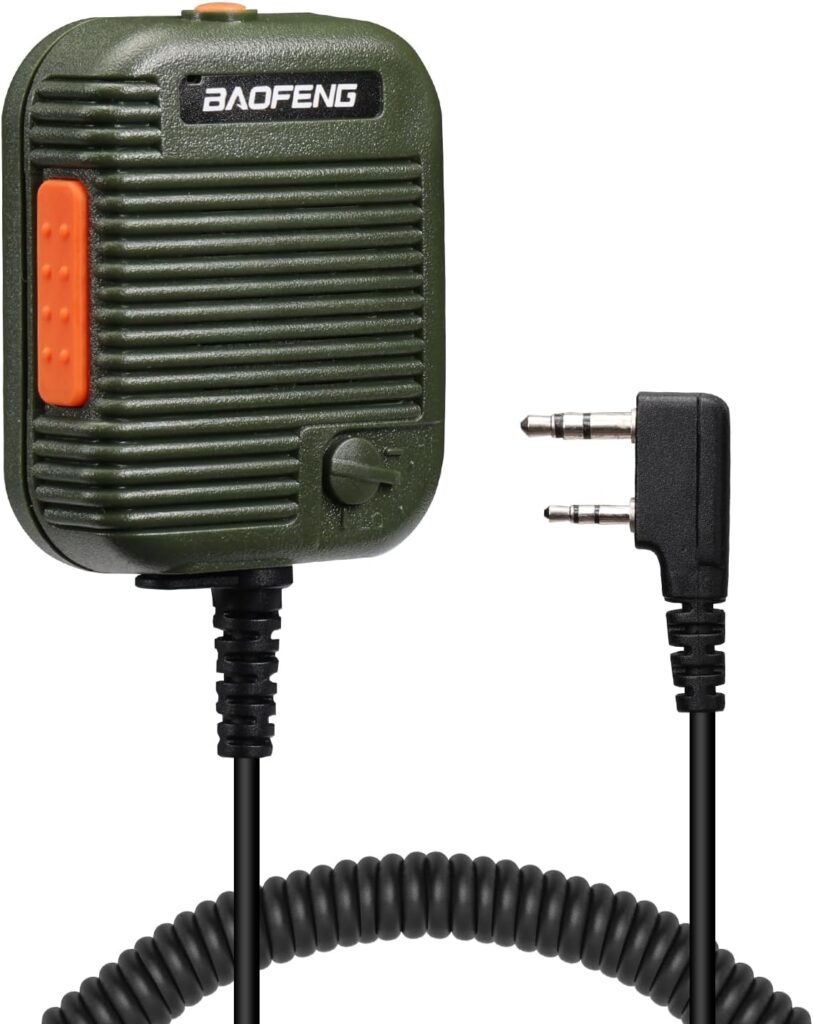
Holding the radio to your ear and keying it at the same time is awkward. A speaker mic clipped to your collar or a remote PTT on your belt makes operating much more natural — especially if you’re driving, operating through a window, or wearing gloves.
Yaesu makes the SSM-17B, which works with most Yaesu HTs including the FT-65R and FT-4XR. Baofeng makes the BS-UV25 Tactical Speaker Mic. For other brands, check your radio’s compatible accessory list before you buy. The market is fragmented here — connectors vary by manufacturer and sometimes by model within the same manufacturer. An accessory that looks right might not be the right one electrically or mechanically. When in doubt, buy from a retailer that specifically lists your radio model as compatible.
One practical note: speaker mics hear everything, including background noise. If you’re operating in a car, the mic will pick up your engine and road noise. A remote PTT with a headset or earphone solves this — the mic is next to your mouth and the environment noise stays out. Higher-end modern radios will also include bluetooth, which will give you some wireless options. Worth considering if you do any mobile operating at all.
Carry Case / Storage Case
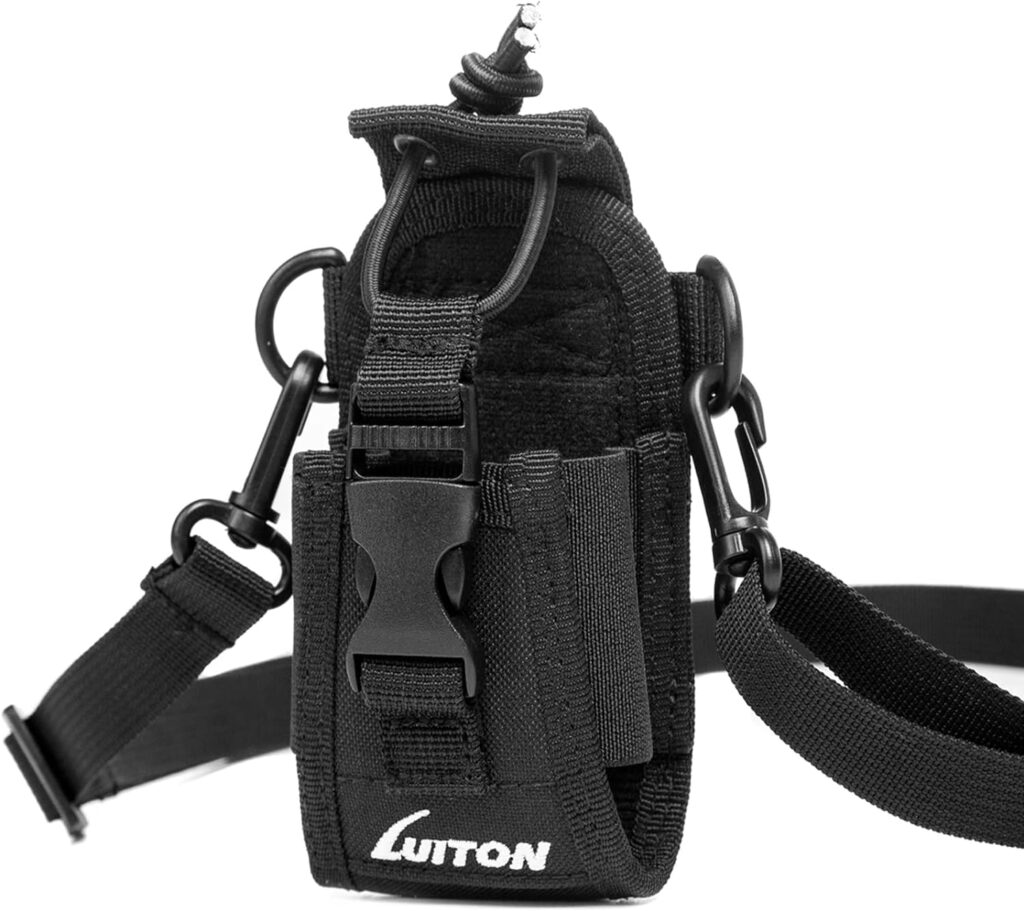
A storage case keeps your radio from bouncing around in your bag and prevents buttons from getting pressed by accident. It also gives you a dedicated spot for your spare battery, programming cable, and any other accessories that pile up over time.
If the included belt clip or lanyard isn’t working for you, there are plenty of aftermarket carrying cases, pouches, slings, and protective covers to consider.
What to look for: a case designed for your specific radio model (steer clear of generic “fits most handheld radios” pouches that let your radio rattle around inside), a wearable design that works for what you need, and enough room for a spare battery if you plan to carry one. Several manufacturers make form-fit cases for popular models — Baofeng and Yaesu both offer pouches for their own radios.
NanoVNA H4
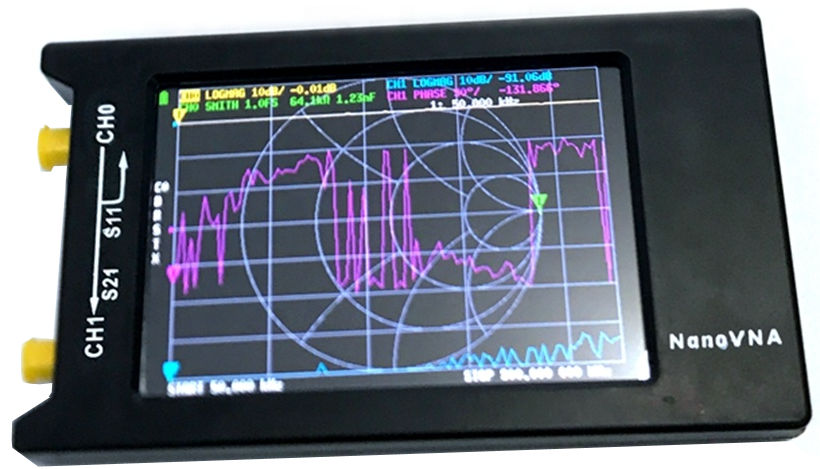
The NanoVNA might seem like an odd addition to an HT accessories list, but it’s genuinely useful for one thing: making sure your antenna is actually working the way it’s supposed to. You can buy the best antenna on paper and get home with one that’s defective or mistuned — and you can’t tell just by looking at it.
The NanoVNA H4 is a pocket-sized vector network analyzer that costs under $100 and shows you the full picture: SWR, impedance, return loss. You connect the antenna to the NanoVNA’s SMA connector, sweep the frequency range, and it tells you exactly what’s happening.
For HT users, it’s most useful for checking that a new antenna is resonant where you expect it to be, and verifying it’s not defective out of the package. The NanoVNA is also a great investment for your future in ham radio, because you will need a good antenna analyzer when you move to a mobile rig in your vehicle, or an HF base station set up at home. You can’t beat it for the price.
The NanoVNA does have a small learning curve. The basic SWR reading is the most practical starting point — anything above 2:1 on your target frequency is worth investigating. The Smith chart and advanced functions take more reading to understand. There are good YouTube tutorials aimed at ham radio users, and the time spent learning it pays off every time you want to verify an antenna before you transmit.
Nifty Accessory Mini-Manual
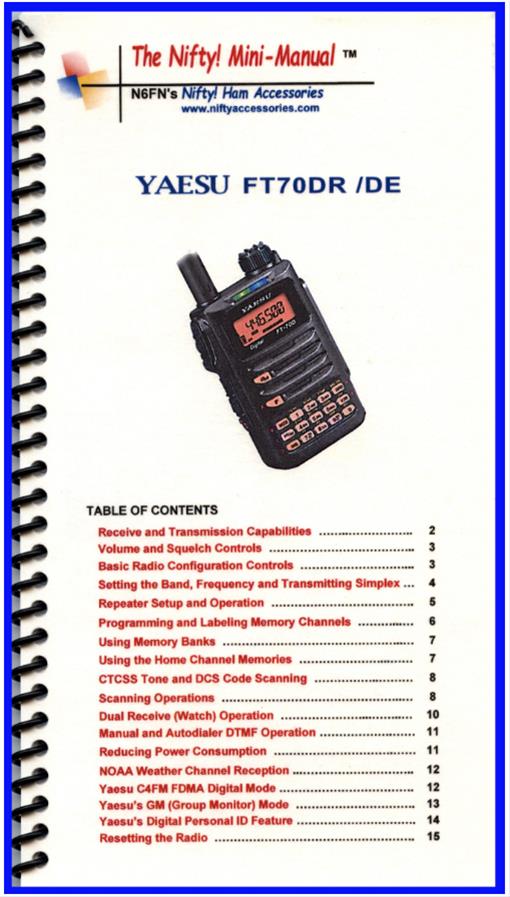
This is the accessory that every ham radio operator who has one will tell you they should have bought first. The Nifty Accessory Mini-Manual is a laminated, radio-specific quick reference guide — not a generic manual, but one written for your exact radio model.
It has the same information as the owner manual that came in the box, except it’s actually durable and portable. The important stuff — how to program memories, how to set offsets and tones, how to access the menu functions you actually use — is laid out in a clean, compact format that fits in your carrying case. The laminated pages are durable enough to carry with you in the field without falling apart, and you no longer have to bring the paper manual with you as a reference.
These are model-specific, so you’ll need to buy the one that matches your radio exactly — FT-65R, FT-70DR, UV-5R, etc. They’re available from DX Engineering, and they’re one of those items that you’ll use on a regular basis.
The Bottom Line
You don’t need all of this stuff on day one. Start with what solves a problem you actually have right now. Most hams find the antenna upgrade changes their experience more than anything else — better range, clearer audio, actual repeaters working instead of just trying. The rest fills in as your operating style develops.
The NanoVNA might be the exception to that rule — it’s one of those tools that’s cheap enough to buy now and keep in the drawer until you need it, which you eventually will. And the Nifty Mini-Manual is the one you’ll appreciate the first time you need to look something up quickly and don’t want to navigate three levels of radio menus to find it.
Build your kit as you go. The accessories that matter most are the ones that solve problems you actually have.

Join thousands of new hams who are confidently getting on the air. This practical video series gives you clear solutions to the most common beginner challenges — 100% free with instant access.
Affiliate Disclaimer
Keep in mind that we may receive commissions when you click our links and make purchases. However, this does not impact our reviews and comparisons. We try our best to keep things fair and balanced, in order to help you make the best choice.
As an Amazon Associate, we earn from qualifying purchases.