What is ham radio? Your complete guide to getting started. Learn about licensing, equipment, and making your first contact. Before you read on — here are the basic steps to get started:
- Study for your Technician exam (10 – 20 hours)
- Find a local exam session and pass the exam
- Buy a Baofeng UV-5R or equivalent (~$25–35)
- Program it (use CHIRP — free software)
- Make your first contact!
📦 Free Video Course – The Top 5 Beginner Ham Radio Frustrations (and How To Overcome Them)
Curious about ham radio but not sure where to start? Our free 5-day course tackles the 5 most common issues you might run into, addressed without any hype, technical jargon or sales pitches.
What Exactly is Ham Radio?
Ham radio, also known as amateur radio, is a fascinating hobby that allows people to communicate wirelessly across the street, across the country, and even around the world. Unlike CB radio or walkie-talkies, ham radio requires a license from the Federal Communications Commission (FCC), but that license comes with significantly more power and capabilities.
Ham Radio vs Amateur Radio
You might wonder why we call it “ham” radio when the official term is “amateur radio.” The exact origin is debated—some say it dates back to early radio operators who were called “ham” as a derogatory term, while others believe it stands for “helpful amateur missionaries.” Regardless of the name, “ham radio” and “amateur radio” mean exactly the same thing, and you’ll see both terms used interchangeably in the community.
How It Works
At its core, ham radio uses radio waves to transmit voice, data, and even images between stations. When you key up your microphone, your voice is converted into radio waves that travel through the air to another operator’s receiver. You can communicate locally, nationally, or internationally—no internet or cell phone required. The equipment ranges from simple handheld radios to elaborate base stations with high-powered amplifiers and custom-built antennas.
Who Uses It and Why
Ham radio operators are an incredibly diverse group. Families use it to stay in touch during emergencies. Tech enthusiasts love the ability to experiment with cutting-edge digital modes. Preppers value having a communication backup when everything else fails. And many simply enjoy the social aspect of chatting with people around the world. Some operators collect “DXCC” awards for contacting 100 or more different countries. Others enjoy building their own equipment or participating in public service events. There’s truly something for everyone in ham radio.
Why Get a Ham Radio License?
Earning your ham radio license opens up a world of possibilities. Here are five compelling reasons to take the plunge:
1. Emergency Communication Backup
When hurricanes knock out power, cell towers go down, or the internet becomes inaccessible, ham radio operators become vital links in the communication chain. During Hurricane Katrina, Hurricane Sandy, and countless other disasters, ham operators provided essential communications when nothing else worked. Whether it’s a neighborhood power outage or a major catastrophe, having ham radio skills means you can always reach out for help—and more importantly, you can help others.
2. Global Connectivity Without Internet
Imagine talking to someone in Japan, Germany, or Australia without touching the internet. That’s the magic of ham radio. Using high-frequency (HF) bands and the right conditions, you can make contact with operators around the globe using nothing more than your own equipment. Many operators proudly collect “DXCC” confirmations—contact confirmations from 100 or more different countries.
3. Technical Learning & Experimenting
Ham radio is fundamentally a technical hobby. To earn your license, you’ll learn about radio waves, electronics, antennas, and electromagnetic theory. Once licensed, you can build your own equipment, experiment with cutting-edge digital transmission modes, and constantly push the boundaries of what’s possible with wireless communication.
4. Community & Social Connection
Joining ham radio means joining a global community of passionate, helpful operators. Local clubs welcome newcomers with open arms, offering mentorship, troubleshooting help, and friendship. Whether you’re an introvert seeking meaningful connection or someone who loves attending hamfests and conventions, you’ll find your people in this hobby.
5. Fun & Rewarding Hobby
Ultimately, ham radio is simply a blast. The excitement of making your first contact, the satisfaction of building an antenna from scratch, the thrill of working a rare DX station—these experiences never get old. It’s a hobby that grows with you, offering endless opportunities to learn, explore, and connect.
What Can You Do with a Ham Radio License?
Your license unlocks a wide range of activities:
Local VHF/UHF Communication
The Technician class license gives you access to VHF (Very High Frequency) and UHF (Ultra High Frequency) bands, which are perfect for local communications. You can talk to other hams in your city, check into local repeaters, and stay connected with family and friends within a 25-50 mile radius (or much further with a good repeater).
DXing (Long-Distance Contacts)
Once you upgrade to General class, you gain access to HF bands where long-distance communication happens. DXing—making contacts with distant or rare stations—is one of the most rewarding aspects of ham radio. With the right equipment and propagation conditions, working stations on the other side of the world becomes routine.
Digital Modes (APRS, D-Star, Fusion)
Modern ham radio isn’t just about voice. Digital modes let you transmit data, images, and even GPS coordinates. APRS (Automatic Packet Reporting System) lets you track vehicles and objects in real-time. D-Star and Fusion are digital voice modes that offer clearer audio and built-in encryption. These modes open up entirely new possibilities for communication and experimentation.
Emergency Preparedness & Public Service
Ham operators provide crucial support during emergencies and public events. From providing communications for hurricane response to supporting local charity events and parades, hams serve their communities in meaningful ways. Many counties have dedicated Amateur Radio Emergency Service (ARES) groups that coordinate with emergency management.
Contests & Special Events
Competitive operators participate in contests like POTA (Parks on the Air), SOTA (Summits on the Air) “Fox Hunting” and Field Day, where teams set up temporary stations and see how many contacts they can make in 24 hours. Special event stations commemorate historical occasions or raise awareness for causes. These events are fun, challenging, and a great way to improve your operating skills.
Understanding Ham Radio License Classes
The FCC offers three license classes, each with increasing privileges:
Technician Class
The Technician class is the entry-level license. With just 35 multiple-choice questions (and a passing score of 74%), you gain access to all VHF and UHF ham bands plus some HF privileges. Most new hams start here, and it’s perfect for local communication, repeater use, and getting your feet wet.
General Class
Upgrading to General class adds significant HF privileges, opening the door to worldwide communication on the 160, 60, 40, 20, 15, and 10-meter bands. The exam covers 35 questions and builds on the Technician material.
Amateur Extra Class
The Amateur Extra class license is the top tier, granting full access to all amateur radio frequencies. This 50-question exam covers advanced topics and demonstrates mastery of radio theory and regulations.
|
License Class |
Exam Questions |
Privileges |
Best For |
|
Technician |
35 |
VHF/UHF + some HF; local/regional comms |
Beginners; most new hams start here |
|
General |
35 |
Most HF privileges; worldwide contacts |
Hams who want DX, contesting, HF |
|
Extra |
50 |
Full access to all bands |
Hams pursuing mastery; rare modes |
How to Get Started in Ham Radio (Step-by-Step)
Step 1: Study for Technician Exam
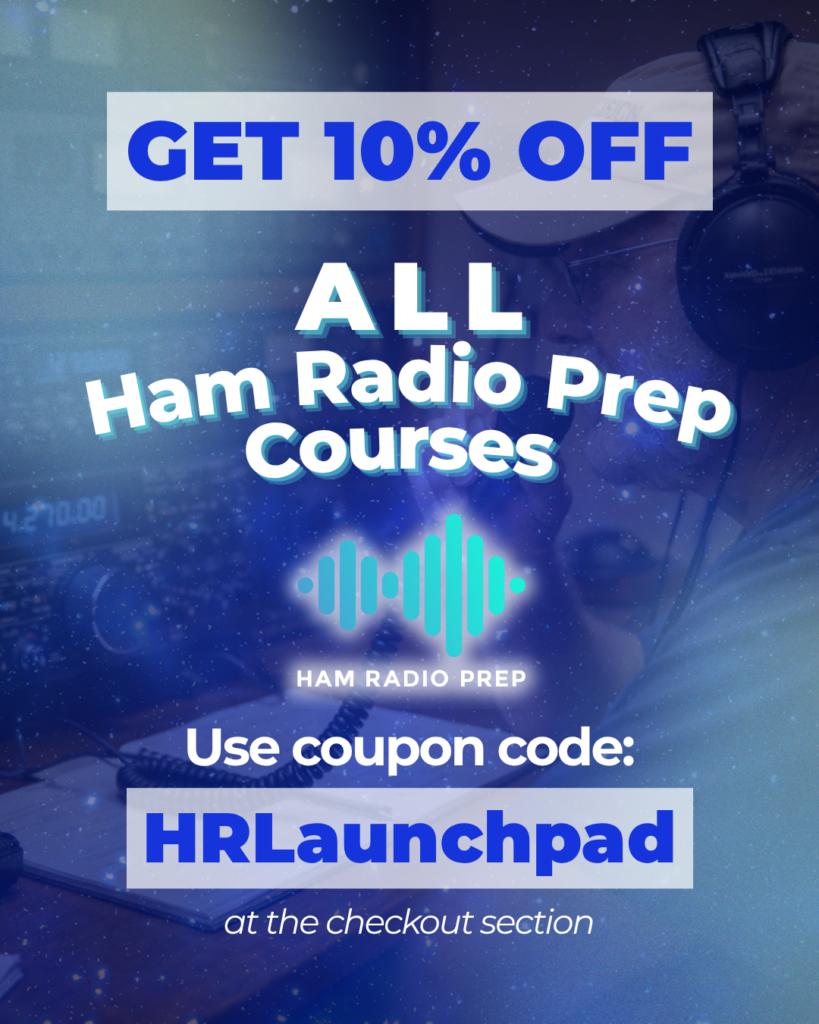
Start by learning the basics. Recommended study resources include Ham Radio Prep video courses (use coupon code HRLaunchpad to save 10%) the ARRL Ham Radio License Manual, KB6NU’s No-Nonsense Study Guides, and online practice tests like HamStudy.org. Plan to study for 20-40 hours total—you’ll be surprised how quickly the material clicks.
Step 2: Find an Exam Session
Find a local exam session through the ARRL or HamStudy.org. In-person sessions typically cost around $15 and are administered by volunteer examiners. Many sessions offer same-day results, and your license arrives electronically within a few days.
Step 3: Get Your First Radio
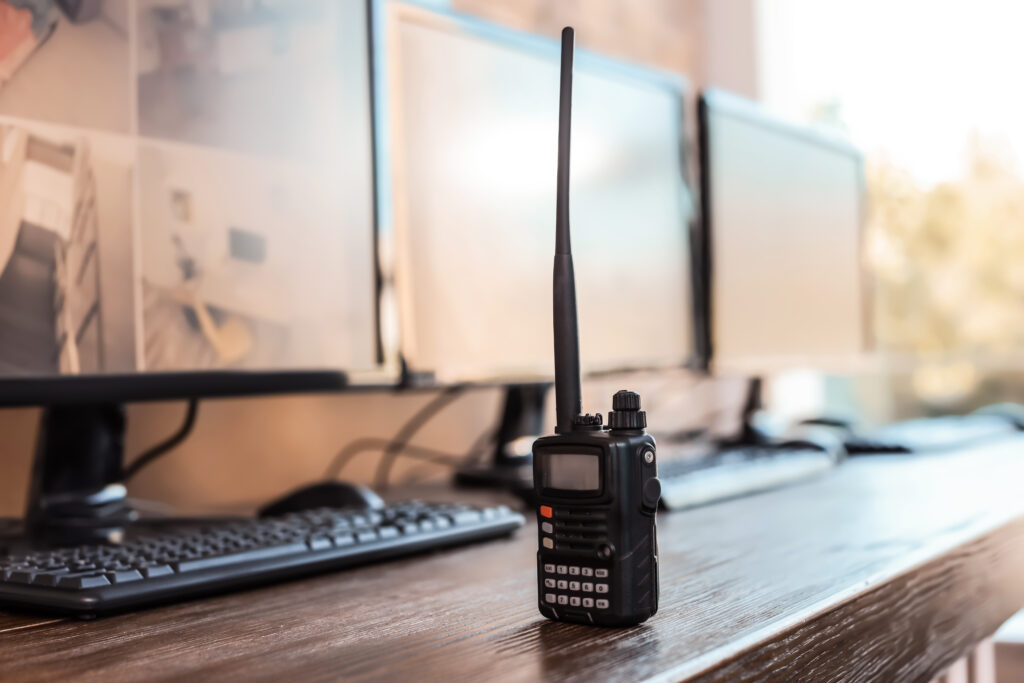
For most new Technicians, a dual-band handheld (VHF/UHF) radio is the perfect first radio. The Baofeng UV-5R and BF-F8HP are popular, affordable options (under $30) that work great for local repeater contacts. As you grow, you might add a mobile radio for your car or an HF radio for worldwide communication.
Step 4: Join the Ham Community
Connect with local hams through clubs, online forums, and social media groups. The ham radio community is famously welcoming to newcomers—don’t be afraid to ask questions. Most operators were once exactly where you are now.
Essential Ham Radio Terminology for Beginners
- VHF (Very High Frequency): Radio frequencies from 30-300 MHz, good for local communication (2m band is most popular)
- UHF (Ultra High Frequency): Radio frequencies from 300 MHz-3 GHz, often used for local communication and repeaters
- HF (High Frequency): Radio frequencies from 3-30 MHz, capable of long-distance (DX) communication
- Repeater: A relay station that receives your signal and retransmits it at higher power, extending your range
- CTCSS/DCS: Sub-audible tones that prevent interference and allow access to busy repeaters
- Wattage: Measure of transmission power; more watts generally means more range
- Antenna: The equipment that sends and receives radio waves; critical to good performance
- Simplex: Direct radio-to-radio communication without a repeater
- Duplex: Communication through a repeater (your radio transmits on one frequency while receiving on another)
Common Misconceptions About Ham Radio
“It’s only for old people”
While ham radio has historically attracted older demographics, that’s changing rapidly. The hobby appeals to tech-savvy millennials and Gen Z who appreciate its DIY ethos and emergency communication value. Online communities, YouTube channels, and podcast hosts are bringing more young people into the hobby every day.
“You need expensive equipment”
Starting with ham radio doesn’t have to break the bank. You can buy a functioning handheld radio for under $30, study materials are free or inexpensive, and many clubs have equipment to loan to newcomers. You can easily get on the air for under $100 total.
“It’s obsolete”
Nothing could be further from the truth. Ham radio continues to evolve with cutting-edge digital modes, satellite communication, moonbounce (EME), and internet-linked systems like Echolink. During disasters when all other communication fails, ham radio remains reliably operational. It’s not obsolete—it’s essential.
Conclusion: Is Ham Radio Right for You?
Ham radio offers something truly unique: the ability to communicate globally without any infrastructure beyond your own equipment. Whether you’re interested in emergency preparedness, technical learning, global connectivity, or simply a fun new hobby, ham radio delivers.
The entry barrier is low, the community is welcoming, and the possibilities are endless. With a Technician license and a $30 radio, you can be on the air today. Why not explore this fascinating world? Your first contact might be closer than you think.
Ham Radio FAQs – Beginner Guide
What exactly is ham radio (amateur radio), and how does it differ from CB radio or walkie-talkies?
Ham radio, also known as amateur radio, is a licensed hobby that allows people to communicate wirelessly across the street, across the country, or around the world using radio waves. Unlike CB radio or walkie-talkies, ham radio requires an FCC license but provides significantly more power, range, and capabilities, including voice, data, and image transmission without relying on the internet or cell networks.
Why should I get a ham radio license, and what are the main benefits?
A ham radio license opens up numerous possibilities, including:
- Emergency communication backup when cell towers and internet fail
- Global connectivity without the internet (DXing to other countries)
- Technical learning and experimentation with electronics and antennas
- Joining a welcoming worldwide community
- Enjoying a fun and rewarding hobby
What are the different ham radio license classes, and which one should a beginner start with?
The FCC offers three license classes:
- Technician Class – Entry-level license (35 questions). Grants access to all VHF/UHF bands and some HF privileges. Most beginners start here.
- General Class – Adds major HF privileges for worldwide communication.
- Extra Class – Highest level with full access to all amateur frequencies.
Beginners should start with the Technician class license.
What can I do with a ham radio license once I have it?
With a ham radio license you can:
- Communicate locally on VHF/UHF bands using repeaters
- Make long-distance (DX) contacts around the world on HF bands
- Use digital modes such as APRS, D-Star, and Fusion
- Participate in emergency preparedness and public service events
- Join contests, Field Day, POTA, SOTA, and special events
How do I get started in ham radio? What are the step-by-step instructions for a beginner?
Follow these steps:
- Study for the Technician exam using resources like the ARRL Ham Radio License Manual, HamStudy.org, or KB6NU’s No-Nonsense guides.
- Find and take an exam session through the ARRL or HamStudy.org (cost is typically around $15).
- Purchase your first radio — a Baofeng UV-5R or similar dual-band handheld is an affordable starting point.
- Join your local ham radio club and connect with the welcoming community for support and mentorship.
Join thousands of new hams who are confidently getting on the air. This practical video series gives you clear solutions to the most common beginner challenges — 100% free with instant access.
Affiliate Disclaimer
Keep in mind that we may receive commissions when you click our links and make purchases. However, this does not impact our reviews and comparisons. We try our best to keep things fair and balanced, in order to help you make the best choice.
As an Amazon Associate, we earn from qualifying purchases.